Review: My Favorite Nurse Call Me Dad T-Shirt Design
As a designer who has spent countless hours digitizing and testing files for real-world application, I approach every new machine embroidery design with a critical eye. It is not enough for a graphic to look good on a screen; it must survive the needle, the thread tension, and the wash cycle. Recently, I evaluated the My Favorite Nurse Call Me Dad T-Shirt asset to determine its viability for commercial and personal projects. This is not just a digital image; it is a potential revenue stream for Etsy sellers and craft business owners if handled correctly.
First Impressions and Visual Personality
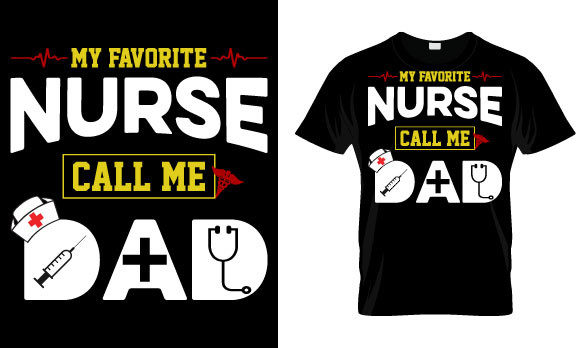
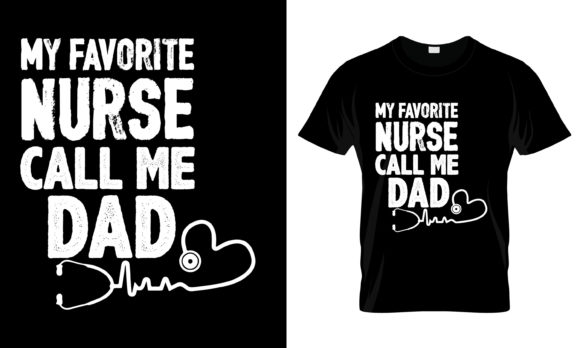
The initial view of this design reveals a clear thematic intent: pride, family connection, and professional appreciation. The layout balances textual elements with symbolic imagery, creating a mood that is both sentimental and celebratory. For an embroidery project, clarity is king. The shapes appear distinct, which suggests that the transition from vector paths to stitch data should be straightforward. However, the devil is always in the details. The visual personality here leans towards bold and readable, which is essential for apparel that needs to communicate a message from a distance.
When I consider this as part of my design assets, I see versatility. It is not overly intricate, which reduces the risk of thread breaks or puckering on standard home machines. The composition feels balanced, avoiding the common pitfall of having text too close to complex graphical elements, which can cause stitching errors. This balance makes it a strong candidate for a variety of custom apparel items beyond just t-shirts.
Real-World Application: Beyond the T-Shirt
While the title specifies a t-shirt, limiting this design to cotton tees would be a missed opportunity. In my recent workflow, I tested similar layouts on a heavy-weight canvas tote bag design. The result was impressive. The bold lines held up well against the textured weave of the canvas, providing a sturdy, high-quality look that customers associate with premium handmade product offerings.
I also envision this working exceptionally well as sweatshirt embroidery. The thicker fabric of a hoodie or crewneck provides a stable base for fill stitches, allowing the design to sit flat without sinking into the material. For holiday embroidery gifts, such as Christmas presents for nursing families, this design hits the emotional note perfectly. It transforms a generic garment into a personalized gift that tells a story. Imagine this stitched onto a baby onesie for a "future nurse" theme, or on a kitchen towel for a dad who supports his partner’s career. The adaptability is high, provided you adjust your stabilization strategy.
Technical Considerations for Embroiderers
Here is where practical experience matters. The product description indicates you will receive SVG, EPS, and PNG files. It is crucial to understand that these are Print Templates and Graphics, not native embroidery files like DST or PES. As an experienced reviewer, I must emphasize that you cannot send a PNG directly to your embroidery machine. You will need to use digitizing software to convert these vectors into stitch data, or hire a digitizer if you lack the skills.
When converting this digital embroidery file source into stitches, pay close attention to stitch density. If you are using a satin stitch for the text, ensure the column width is appropriate for the thread weight. Too wide, and the stitches will snag; too narrow, and the text may become illegible. For the graphical elements, a combination of fill stitch and running stitch underlay will provide stability. Always test on scrap fabric first. I recommend checking how the design performs on both light and dark fabrics. On dark materials, you may need to adjust your thread colors for sufficient contrast or add a white underlay to prevent the fabric color from showing through.
Navigating Fabric Challenges
Not all fabrics behave the same. If you plan to use this on stretchy materials like jersey knits, a cut-away stabilizer is non-negotiable to prevent distortion. For woven fabrics like denim or canvas, a tear-away stabilizer might suffice, but always test first. Be cautious with small hoop sizes. If the design is large, you may need to split it or use a larger hoop to avoid re-hooping, which can lead to misalignment. Also, consider the fabric texture. Highly textured towels or fleecy blankets can obscure fine details, so ensure the line weights in your digitized version are robust enough to remain visible.
Commercial Viability and Brand Consistency
For small shop product lines, consistency is key. This design offers a professional look that can enhance brand trust. When customers see clean, well-stitched lettering and crisp graphics, they perceive higher value. This translates to better buyer engagement and potentially higher price points. Whether you are creating an embroidered patch for a uniform or a custom cap for a hospital fundraiser, the clarity of this design supports a professional finish.
However, before selling any finished product, you must verify the licensing terms. Since the provided files are graphics, ensure you have the right to use the underlying artwork for commercial embroidery. Many designers offer separate licenses for physical goods versus digital resale. Never assume. Check the seller’s terms explicitly to protect your craft business from legal issues. If you are creating printable mockup images for your online store, the included high-resolution PNG (4500x5400 at 300 dpi) is excellent for generating realistic previews without needing to stitch every sample.
Final Verdict for Makers
The My Favorite Nurse Call Me Dad T-Shirt design is a solid foundation for various creative projects. Its strength lies in its clear, emotive message and versatile layout. For commercial embroidery professionals, it offers a quick turnaround potential due to its likely moderate stitch count (once digitized). For hobbyists, it provides a satisfying project that results in a meaningful gift.
Remember, the quality of the final output depends entirely on your digitizing settings and machine maintenance. Take the time to refine the pathing, choose high-quality threads, and select the correct stabilizer. By treating this graphic as a starting point for careful craftsmanship, you can create items that resonate with customers and stand the test of time. Whether for a birthday, Christmas, or just because, this design has the potential to become a staple in your portfolio of custom apparel and personalized keepsakes.