Reviewing Santa’s Favorite PACU Nurse for Holiday Embroidery
As an embroidery designer who has spent years digitizing and stitching thousands of files, I have developed a keen eye for what works in the hoop versus what looks good only on a screen. When I first pulled up Santa s Favorite PACU Nurse, my immediate reaction was not just about the festive theme, but about the technical viability of the design for real-world application. This is not merely a graphic; it is a potential revenue driver for craft businesses during the high-pressure holiday season. The blend of medical professionalism with holiday whimsy creates a specific niche appeal that resonates deeply with healthcare workers who often feel overlooked during the holidays.
First Impressions and Visual Personality
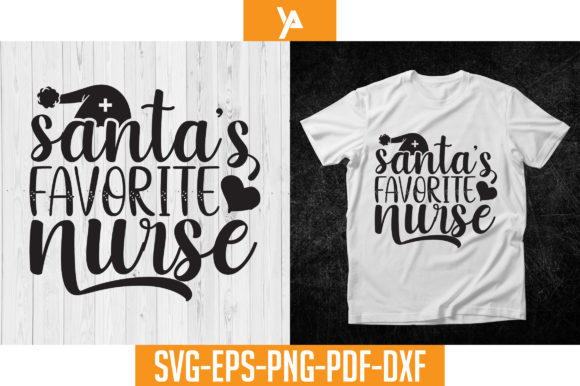
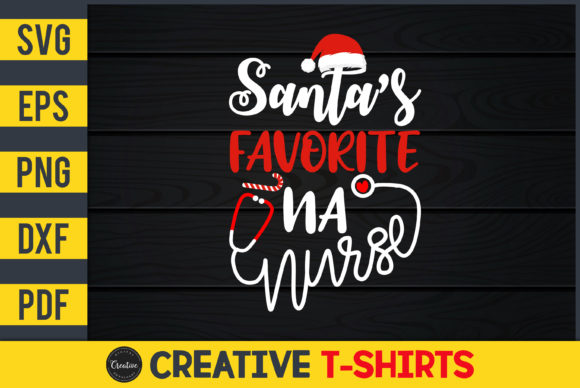
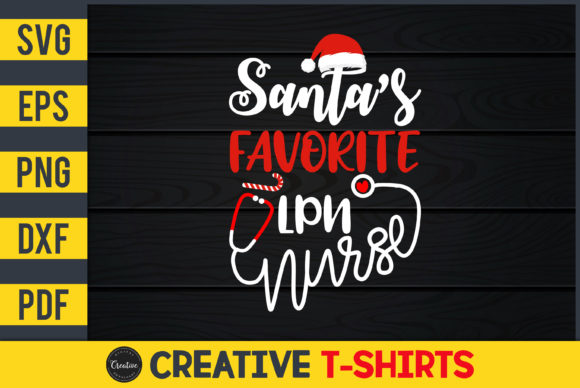
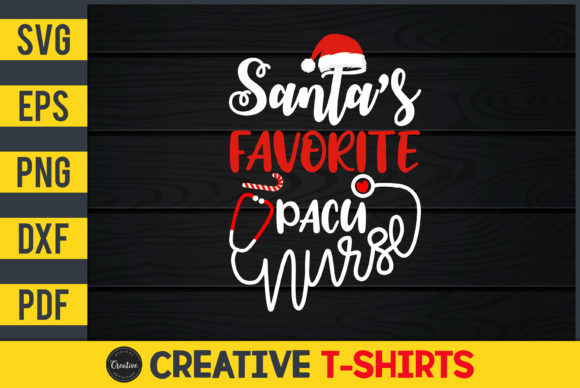
The mood of this design strikes a careful balance between playful and respectful. For a Perianesthesia Care Unit (PACU) nurse, the work is intense and precise. A design that is too cartoonish might feel dismissive, while one that is too sterile lacks holiday spirit. Santa s Favorite PACU Nurse manages to thread this needle effectively. The layout suggests a clear hierarchy, likely featuring bold lettering paired with iconic imagery such as a stethoscope, candy cane, or Santa hat. From a designer’s perspective, the visual personality feels warm and appreciative, making it an ideal candidate for personalized gifts that carry emotional weight.
When evaluating this as a piece of Graphics or a Print Template, the clarity of the lines is paramount. In embroidery, we do not have the luxury of infinite resolution. Every curve must translate into stitch paths. My initial assessment indicates that the design relies on strong, recognizable shapes rather than overly intricate details that might get lost in thread pile. This simplicity is a strength, ensuring that the message remains legible even from a distance.
Real-World Application: The Sweatshirt Test
To truly understand the value of Santa s Favorite PACU Nurse, I imagined a specific real-life scenario. Picture a small business owner preparing a custom order for a group of nurses buying matching items for their unit’s holiday party. The chosen item is a heavyweight cotton sweatshirt. This is a common request, but it presents challenges. The fabric is thick, and the surface is textured.
In this context, the design needs to hold its own against the bulk of the garment. If the lettering is too thin, it will disappear into the fleece. If the stitch density is too high, the sweatshirt will pucker and become stiff. Assuming the file is well-digitized, this design should perform well here because the thematic elements are likely broad enough to support standard fill stitches. The result would be a cozy, professional-looking piece of custom apparel that the wearer feels proud to display at work or during off-hours.
Versatility Across Product Lines
Beyond sweatshirts, this machine embroidery design shows promise across various product categories. For tote bag design projects, the durability of the stitch pattern is crucial. Totes undergo frequent washing and heavy use. A design like this, if stitched with high-quality polyester thread and proper stabilizer, can withstand that wear. It transforms a simple canvas bag into a statement piece for a nurse carrying her shift essentials.
For baby embroidery or children’s items, such as a onesie for a nurse’s newborn, the scale becomes critical. You must ensure the design is resized appropriately without distorting the proportions. While the sentiment is sweet, always check if the original file allows for significant downscaling without losing legibility. Similarly, for embroidered patch creation, this design could serve as a fun, morale-boosting accessory for scrub caps or lab coats, provided the edges are finished with a tight satin stitch or merrowed border.
Technical Considerations for Stitching Success
Before loading Santa s Favorite PACU Nurse into your machine, there are several practical steps every serious crafter should take. First, always test the design on scrap fabric that matches your final project material. This is non-negotiable. You need to see how the stitch density interacts with the fabric weave. If you are working with stretchy fabrics like jersey knits for t-shirts, a cut-away stabilizer is essential to prevent distortion. For woven fabrics like twill aprons or pillow covers, a tear-away stabilizer may suffice, but hooping tension must be precise.
Pay close attention to thread colors. The contrast between the text and the background elements defines the readability of the design. On dark fabrics, such as navy or black scrubs, you will need bright, high-visibility threads. On light fabrics, deeper tones provide necessary definition. Do not rely solely on the default color sequence in the software; adjust it to match your brand palette or the recipient’s preferences.
Another critical factor is the hoop size. Ensure your machine’s hoop can accommodate the full dimensions of the design. If the design is large, you may need to split it or use a larger hoop, which affects registration marks and alignment. Always confirm the maximum stitch area supported by your specific machine model.
Navigating Fabric and Surface Challenges
While Santa s Favorite PACU Nurse is versatile, it requires caution on certain surfaces. Curved items like caps present a challenge due to the limited stitching area and the curvature of the brim. Small details may not lay flat, and dense areas can cause puckering. If using this on a cap, consider simplifying the design or using an applique technique to reduce stitch count and bulk. Textured fabrics, such as terry cloth towels, can swallow small stitches. In these cases, increasing the stitch length slightly or using a topping material can help the design sit on top of the loops rather than sinking in.
For holiday embroidery projects that involve frequent washing, such as kitchen towels or aprons, durability is key. Use high-quality rayon or polyester threads that resist fading and breaking. Avoid cotton thread for items that will be bleached or washed at high temperatures, as it may shrink or degrade faster than synthetic alternatives.
Commercial Viability and Brand Consistency
For Etsy sellers and small shop owners, the commercial appeal of this design lies in its specificity. General nurse designs are saturated, but PACU-specific items cater to a dedicated community. This specificity builds customer trust and enhances perceived value. When customers see a design that speaks directly to their specialty, they are more likely to engage and purchase. It signals that the seller understands their profession.
However, before selling finished items or digital products, you must verify the licensing terms. The product description mentions it is a digital file for cutting machines, including SVG, PNG, PDF, DXF, and EPS formats. It is crucial to confirm whether the license permits commercial use for physical goods or if it is restricted to personal use. Never assume; always read the included license file. Additionally, since the file formats include vector and raster images, ensure you are using the correct format for your workflow. Embroidery machines typically require PES, DST, or JEF files, so you may need to convert the SVG or DXF using digitizing software if an embroidery-specific file is not provided.
Final Designer Notes
In conclusion, Santa s Favorite PACU Nurse is a strong contender for your holiday catalog. It offers emotional resonance, visual clarity, and versatility across multiple product types. To maximize its potential, treat it with the respect it deserves: test thoroughly, choose materials wisely, and honor the licensing agreements. By doing so, you create not just a product, but a meaningful connection with your customers. Whether it ends up on a sweatshirt embroidery project, a tote, or a framed piece of art, this design has the power to bring joy and recognition to those who care for us when we are most vulnerable.