Reviewing the Nurses We Can't Fix Stupid Design
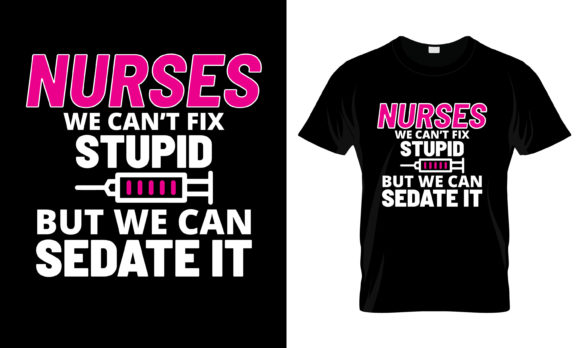
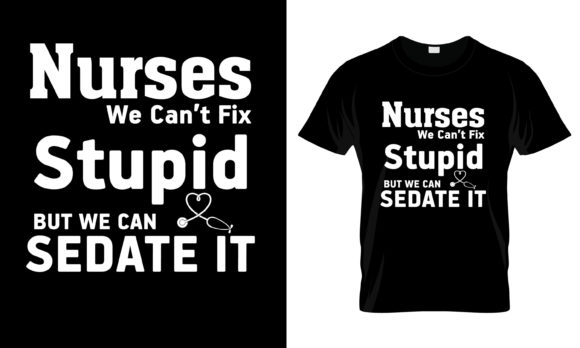
As a designer who spends half my life staring at stitch previews and the other half troubleshooting thread breaks, I approach every new machine embroidery design with a mix of optimism and skepticism. We have all seen those trendy text-based graphics that look fantastic on a screen but turn into a tangled mess under the needle. Today, I am taking a close, practical look at the Nurses We Can t Fix Stupaid but T-Shirt design. While the title suggests a garment, the product is actually a set of digital assets categorized under Print Templates and Graphics, which requires a specific workflow for those of us in the embroidery world.
First Impressions and Visual Personality
The immediate vibe of this design is bold, humorous, and unapologetically direct. It taps into the weary but resilient spirit of healthcare workers, a demographic that appreciates humor as a coping mechanism. The layout appears to be text-heavy, likely featuring a strong sans-serif or hand-lettered style font that demands attention. For an embroidery project, this kind of visual personality is a double-edged sword. On one hand, it creates instant recognition and emotional connection. On the other, large blocks of text require meticulous digitizing to ensure legibility.
When I first loaded the files to inspect them, I was looking for clean lines and balanced spacing. The mood is casual yet professional enough for off-duty wear. It feels like a design that belongs on a comfortable sweatshirt or a sturdy tote bag rather than a delicate silk scarf. The humor drives the appeal, making it an ideal candidate for a personalized gift or a morale-boosting item for a nursing team.
Adapting Graphics for Embroidery Use
Here is where we need to address the technical reality. The product description states you will receive SVG, EPS, and PNG files. These are vector and raster image formats, primarily used for printing or cutting vinyl. They are not native embroidery file formats like PES, DST, or JEF. As an experienced reviewer, I must clarify that you cannot simply plug these files into your embroidery machine.
For Etsy sellers and craft business owners, this distinction is critical. If you are offering custom apparel, you will need to use these graphics as a reference to create your own digitized version, or hire a digitizer to convert the artwork. The PNG provided is 4500×5400 pixels at 300 dpi, which is excellent resolution for creating a crisp printable mockup or for manual tracing in digitizing software. This high resolution ensures that when you zoom in to define your satin stitch boundaries or fill stitch areas, the edges remain sharp.
Real-World Application Scenarios
Let’s imagine a real-life scenario. A local clinic is hosting a holiday party, and the head nurse wants matching gifts for her staff. She approaches your small shop for holiday embroidery ideas. This design fits perfectly. However, instead of printing it, you decide to embroider it onto high-quality fleece sweatshirt embroidery projects. The thickness of the fleece provides a stable base for the dense text, preventing puckering.
Alternatively, consider a tote bag design. Canvas bags are popular among students and professionals. Embroidering this phrase onto a heavy-duty canvas tote adds texture and durability that print cannot match. The raised texture of the threads gives the handmade product a premium feel, increasing its perceived value. It transforms a simple bag into a statement piece that sparks conversation.
For those interested in embroidered patch creation, this design works well if scaled correctly. A patch allows the wearer to move the design between jackets, scrubs, or bags. Just ensure that the lettering is not too small, as tiny details can get lost in the stitching process of a small hoop.
Technical Challenges and Fabric Considerations
While the concept is strong, the execution requires care. Text-based designs are notorious for causing issues on stretchy fabrics. If you attempt this on a thin, stretchy t-shirt without proper stabilization, the letters may warp or pucker. I strongly recommend using a cut-away stabilizer for garments that will be washed frequently. This provides long-term support and maintains the shape of the finished product.
Another concern is stitch density. Large filled letters can become stiff and uncomfortable if the density is too high. When digitizing from the provided SVG or PNG, pay attention to the underlay stitches. A proper grid or edge-walk underlay will anchor the design to the fabric before the top stitches are laid down. This is crucial for maintaining clarity, especially if you are using similar thread colors to the fabric background.
Be cautious with dark fabrics. If the design includes light-colored elements, you may need to adjust your stitch order or add a white underlay to prevent the fabric color from showing through. Conversely, on light fabrics, ensure your thread contrast is high enough to make the text readable from a distance.
Commercial Viability and Brand Trust
For small shop product lines, consistency is key. Using a high-quality source graphic like this ensures that your marketing materials, such as design assets for social media, look professional. Customers trust brands that present clear, high-resolution images. By using the 300 dpi PNG for your online listings, you can create realistic previews that set accurate expectations.
However, always verify licensing terms. Since this is sold as a graphic template, ensure you have the right to use the resulting embroidered items for commercial sale. Most designers allow finished physical products, but reselling the digital file itself is usually prohibited. Clarifying this protects your craft business from legal issues and builds trust with your clients.
Final Designer Notes
Before committing to a full production run, always test the design on scrap fabric. Check how the running stitch outlines hold up and whether the fill areas are smooth. Compare the look on both light and dark backgrounds. If you are new to digitizing, start with a simple satin stitch border around the text to define it clearly against the fabric texture.
The Nurses We Can t Fix Stupaid but T-Shirt graphic is a potent tool for creators who understand how to bridge the gap between print and stitch. It offers humor, relevance, and visual impact. With careful attention to stabilization, stitch density, and fabric choice, it can become a standout item in your portfolio. Whether for a baby embroidery project for a nurse’s child or a rugged apron for a hospital cafeteria, the potential is there. Just remember to respect the technical limits of your machine and the material you are working with. Happy stitching.